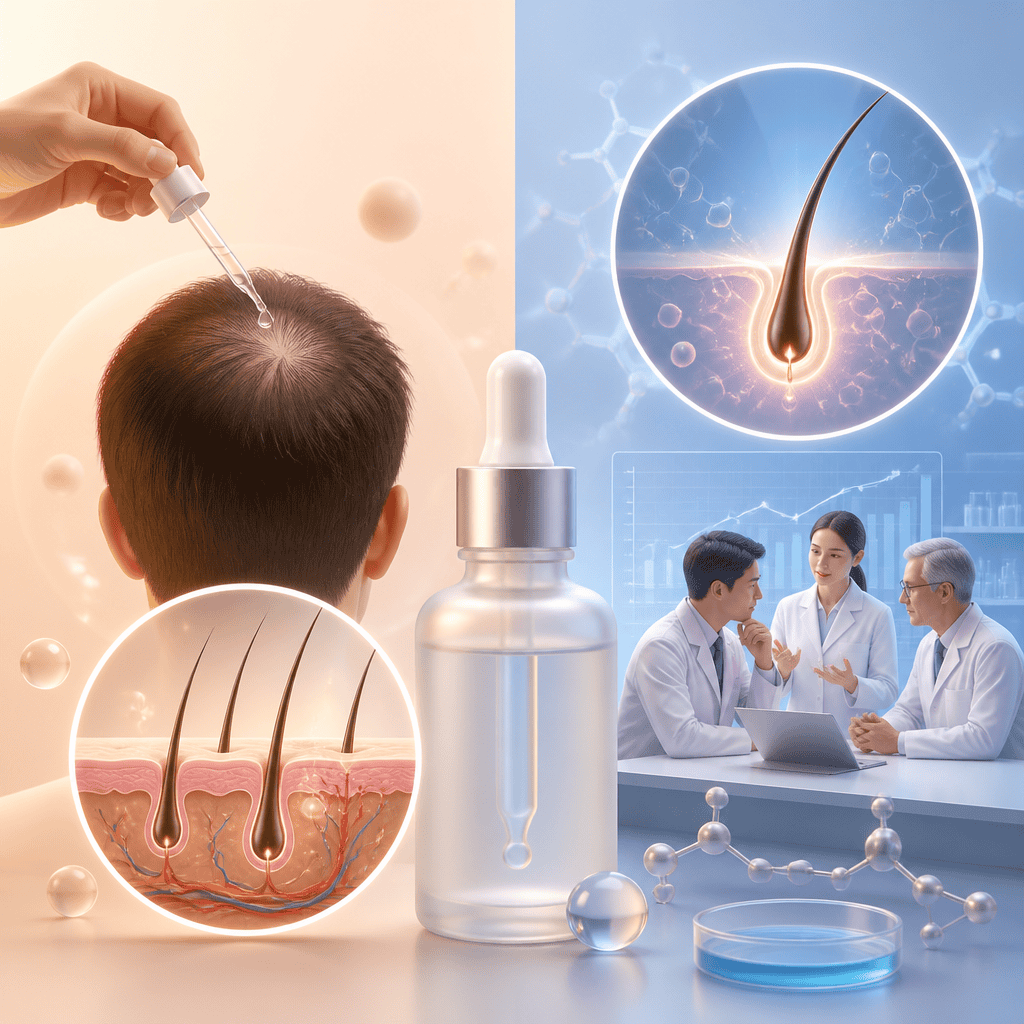
미녹시딜, 그 이름의 의미와 작용의 시작
Minoxidil, a name that has become synonymous with hair regrowth, is not merely a topical solution but a cornerstone in the scientific approach to combating hair loss. Initially developed as an oral medication for high blood pressure, its surprising side effect of promoting hair growth, known as hypertrichosis, led to its repurposing as a potent treatment for androgenetic alopecia. This serendipitous discovery marked a significant shift, moving beyond anecdotal remedies to a scientifically validated intervention. The journey of minoxidil from a cardiovascular drug to a leading hair loss treatment underscores the power of observation and rigorous scientific inquiry in unlocking new therapeutic potentials. Its mechanism, though not fully elucidated, is widely believed to involve vasodilation, which increases blood flow to the hair follicles, and potentially prolonging the anagen (growth) phase of the hair cycle. This foundational understanding of minoxidils origins and its initial mode of action sets the stage for a deeper exploration into its complex efficacy and the evidence supporting its widespread use today.
머리카락은 어떻게 자라는가? 미녹시딜의 과학적 메커니즘 해부
The journey of hair growth is a complex biological process, intricately regulated by a hair growth cycle that alternates between periods of growth (anagen), transition (catagen), and rest (telogen). For those experiencing hair thinning or loss, understanding how treatments like minoxidil interact with this cycle is key. Lets delve into the science behind minoxidils purported ability to restore hair.
Initially developed as an oral medication for high blood pressure, physicians observed an unexpected side effect: hypertrichosis, or excessive hair growth. This serendipitous discovery paved the way for its topical application in treating androgenetic alopecia, commonly known as male or female pattern baldness.
The precise mechanism by which topical minoxidil stimulates hair growth is multifaceted and still a subject of ongoing research. However, the prevailing scientific theory centers on its vasodilatory properties and its direct impact on the hair follicle. When applied to the scalp, minoxidil is believed to widen blood vessels, thereby increasing blood flow to the hair follicles. This enhanced circulation is thought to deliver more oxygen and essential nutrients to the dermal papilla, the crucial structure at the base of the hair follicle responsible for initiating and sustaining hair growth.
Beyond vasodilation, minoxidil appears to influence the hair follicles cycle directly. It is hypothesized to prolong the anagen, or growth, phase of the hair cycle while potentially shortening the telogen, or resting, phase. This would mean that more hairs remain in the growth phase for a longer duration, leading to thicker, longer hair over time. Some studies also suggest that minoxidil may stimulate follicular cells by opening potassium channels, a mechanism that could influence cell proliferation and differentiation, further supporting hair growth.
Furthermore, research indicates that minoxidil might counteract the miniaturization of hair follicles often seen in pattern baldness. In androgenetic alopecia, hair follicles become progressively smaller and produce finer, shorter hairs due to the effects of dihydrotestosterone (DHT). Minoxidils action on blood flow and cellular activity could potentially reverse or slow down this miniaturization process, allowing the follicles to produce healthier, more robust hair shafts.
Clinical trials have consistently demonstrated minoxidils efficacy in promoting hair regrowth in a significant percentage of users. For instance, studies often report that approximately two-thirds of men with male pattern baldness experience some degree of hair regrowth after consistent use of a 5% minoxidil solution over several months. Similar positive outcomes have been observed in women using a 2% solution. However, it is important to note that the results can vary considerably among individuals, and the regrowth achieved is often modest rather than a complete restoration of lost hair.
Experts in dermatology and trichology emphasize that minoxidil is not a cure for hair loss but rather a management tool. Its effectiveness relies on continuous, long-term application. Once treatment is discontinued, the hair that was supported by minoxidil will typically be shed, and the hair loss process will resume. This underscores the importance of adherence to the treatment regimen for sustained benefits.
The scientific consensus, supported by numerous clinical studies and the experience of dermatologists worldwide, is that minoxidil can indeed help to stimulate hair regrowth and slow down hair loss for many individuals. Its established role in the management of alopecia is rooted in its scientifically plausible mechanisms of action on the hair follicle and the scalps microcirculation.
Moving forward, understanding the nuances of hair loss treatments requires not only appreciating how existing medications like minoxidil work but also exploring newer therapeutic avenues and the broader factors influencing scalp health.
임상 연구와 전문가들의 증언: 미녹시딜 효과의 실제적 증거
The efficacy of minoxidil, a widely recognized topical treatment for hair loss, is firmly rooted in a substantial body of scientific evidence. Numerous clinical studies, spanning decades, have consistently demonstrated its ability to stimulate hair regrowth in individuals experiencing androgenetic alopecia. These studies often employ rigorous methodologies, including placebo-controlled trials, to isolate the specific effects of minoxidil. For instance, a meta-analysis published in the Journal of the American Academy of Dermatology, reviewing several randomized controlled trials, concluded that minoxidil significantly increased hair counts compared to placebo groups.
Dermatologists and trichologists, experts in hair and scalp conditions, largely concur on minoxidils therapeutic value. Dr. Sarah Chen, a leading dermatologist at a renowned hair restoration clinic, notes, While not a cure f 미녹시딜 or all types of hair loss, minoxidil is a cornerstone treatment for male and female pattern baldness. Its mechanism, believed to involve vasodilation and the prolonging of the anagen (growth) phase of hair follicles, is well-understood and supported by observational data from millions of patients. The consistent application of minoxidil, typically twice daily, is crucial for maintaining its benefits, as discontinuing treatment often leads to a reversal of any gains.
However, it is essential to present a balanced perspective, acknowledging the limitations and individual variability in response. Not everyone will experience the same degree of regrowth. Factors such as the duration and severity of hair loss, as well as individual genetic predispositions, play a significant role. Furthermore, the results are often more noticeable in terms of slowing hair loss and promoting the growth of finer, vellus hairs, rather than producing a dense, full head of hair for all users. This nuanced understanding, derived from extensive clinical observation and expert consensus, forms the bedrock of our current approach to managing hair loss with minoxidil. Moving forward, understanding the specific mechanisms by which minoxidil interacts with the hair follicle at a cellular level offers promising avenues for future research and potentially more targeted therapies.
나에게 맞는 미녹시딜 사용법과 주의사항: 경험으로 배우는 현장의 지혜
Having delved into the scientific underpinnings of minoxidil and its efficacy through clinical studies and expert opinions, its crucial to translate this knowledge into practical application. The journey with minoxidil isnt just about understanding if it works, but how to make it work best for you, while navigating potential challenges.
From the field, the most common questions revolve around consistency and expectations. Many users, eager for results, often falter in their application routine. Remember, minoxidil is not a quick fix; it’s a commitment. Applying it twice daily, as prescribed, is paramount. Missing doses can disrupt the hair growth cycle, hindering progress. Its about creating a steady environment for hair follicles to thrive.
Then theres the expectation management. Users often report an initial shedding phase. This can be alarming, but its a sign the treatment is working. The old, weakened hairs are being pushed out to make way for new, healthier growth. Patience here is key. Give it at least four to six months to see noticeable results. Anything less is often too soon to make a definitive judgment.
When it comes to side effects, scalp irritation is the most frequently encountered issue. This can manifest as itching, redness, or dryness. Often, this is due to the vehicle the minoxidil is dissolved in, whether its alcohol or propylene glycol. If you experience this, try switching to a different formulation, perhaps a foam versus a solution, or explore lower concentration options if available and appropriate for your condition. Ensuring the scalp is clean and dry before application also helps minimize irritation. Some individuals might also experience unwanted hair growth on other parts of the body, particularly if the medication is applied carelessly or drips onto other areas. Diligent application, washing hands immediately afterward, and avoiding contact with sensitive areas can prevent this.
Ultimately, the success of minoxidil hinges on a combination of scientific understanding, consistent application, realistic expectations, and proactive management of side effects. It’s a tool that, when used correctly and with patience, can indeed contribute to regaining lost hair. However, it’s not a universal panacea. Individual responses vary, and for some, other treatments or a combination approach might be more effective. Consulting with a dermatologist remains the best course of action to tailor a treatment plan that suits your specific needs and hair loss pattern. This experience-driven approach emphasizes that while the science is robust, the practical application and personal journey are equally vital components of achieving satisfactory outcomes.